 Matilda Poole
 Planning a snow trip in Australia? Whether you’re heading to Mount Buller for a cheeky long weekend or tackling backcountry trails in the Snowy Mountains, the shoes you wear will make or break your outdoor adventure. I’ve seen folks tough it out in runners with plastic bags inside (don’t do it, mate), and I’ve also met skiers whose après boots were comfier than their snowboard boots. So, let’s get your winter footwear sorted — without freezing your toes off or blowing the budget.
While Mount Buller is a classic pick, don’t overlook nearby spots like Falls Creek or Lake Mountain. If you’re based in Melbourne, these are well worth the drive. We often run early-season recon trips up through this area with Autopia Tours to check the trails and see where the snow’s falling best. A Mt Buller tour is one of the easiest ways to get a taste of alpine life without having to do all the planning yourself.
Contents
Top Shoe Types for Snow
1. Insulated Snow Boots (The Real Deal)
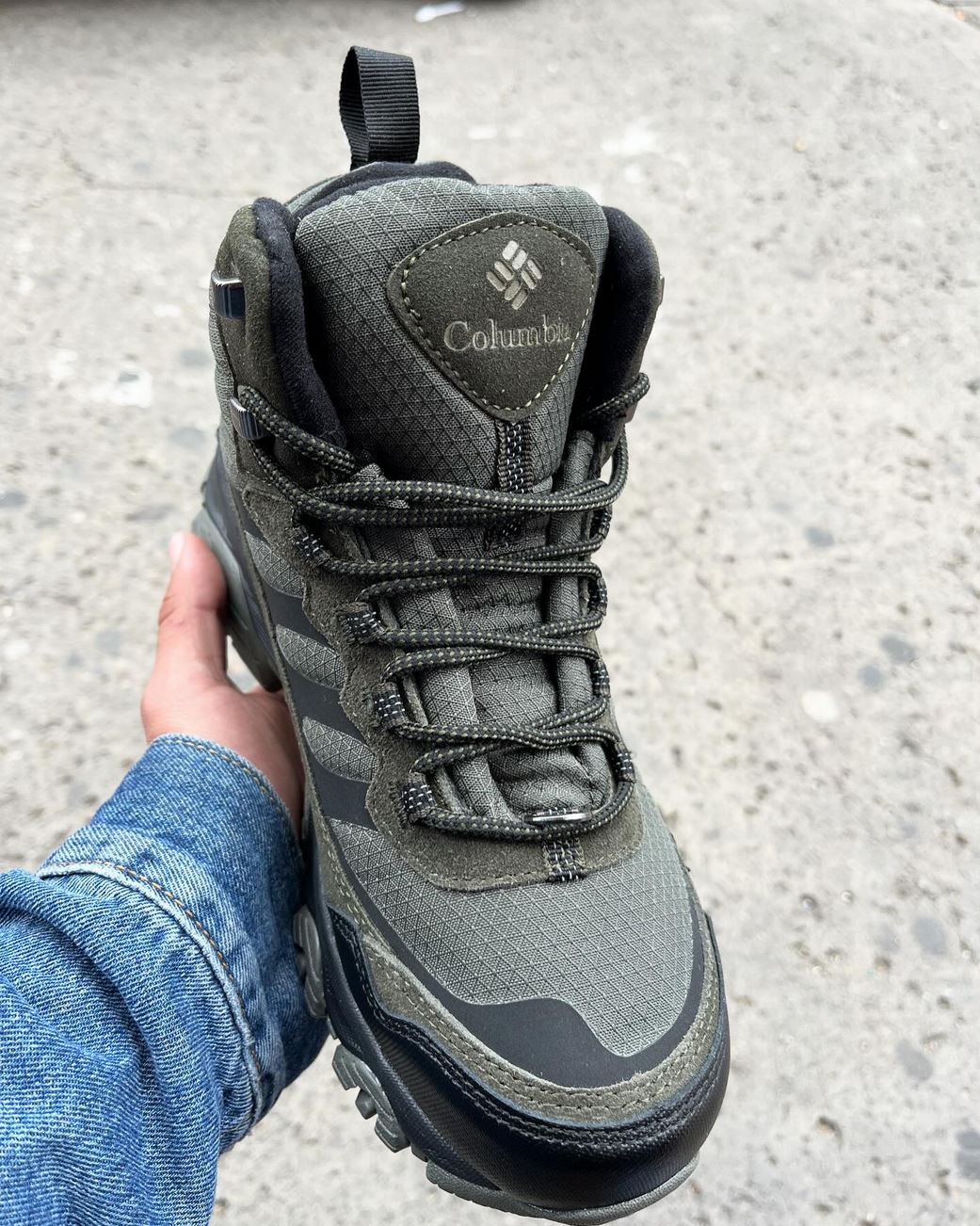
These are your go-tos for deep snow, icy terrain, and hanging around ski resorts. Think brands like Sorel, Columbia, and Salomon — waterproof outer, thick insulation, and serious grip.
Best for: Playing in the snow, walking around alpine villages, snowball fights, and snowy weather.
Look for:
- Rated for sub-zero temps and harsh conditions
- Waterproof membrane (GORE-TEX or similar)
- Lugged rubber soles for impressive traction
- Tall boot height for deeper snow and extra grip
2. Waterproof Hiking Boots (For Hikes & Light Snow)
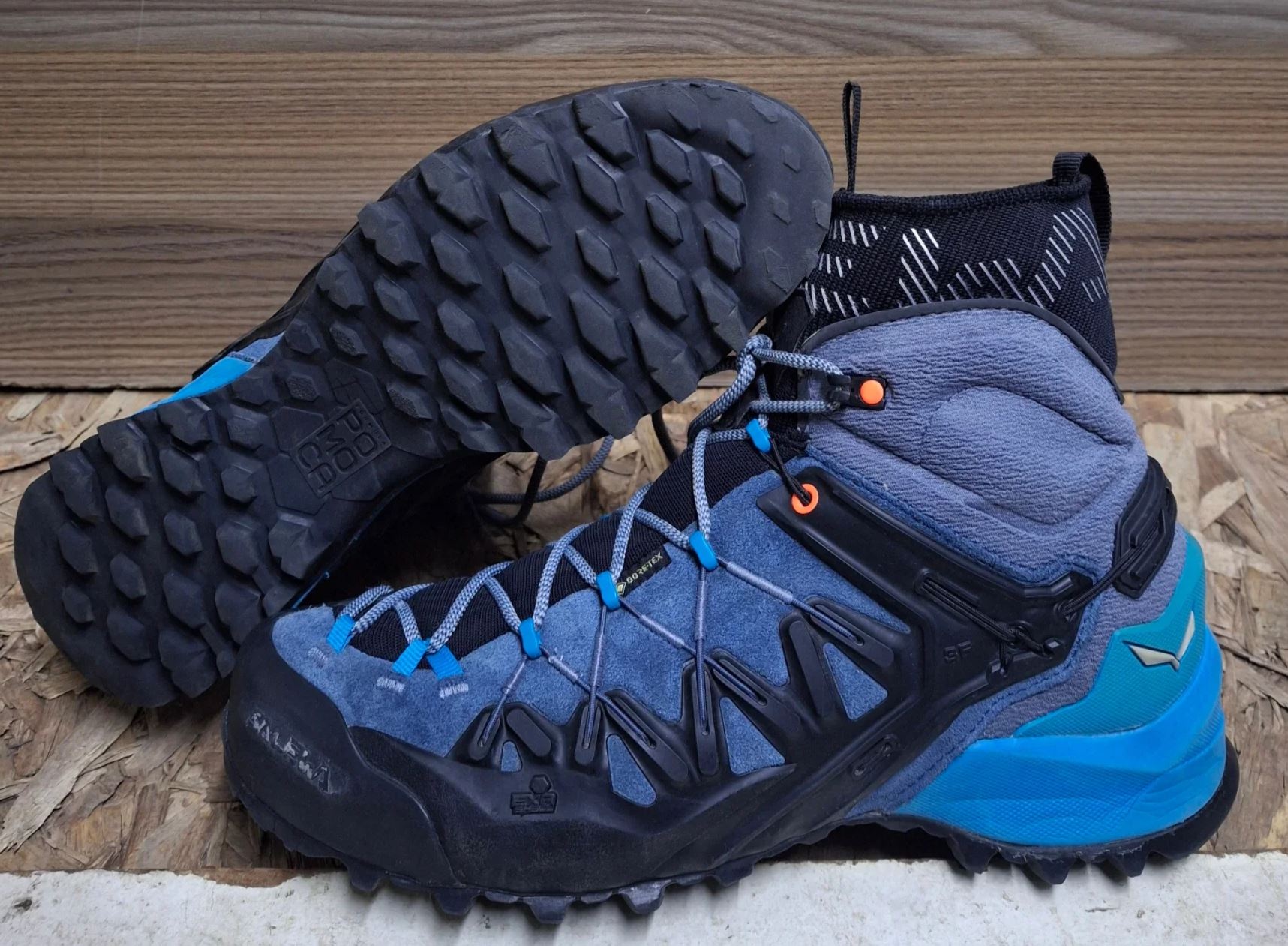
If you’re heading out on snowy trails or exploring lower alpine areas, a sturdy waterproof hiking boot will do. I wear mine all winter with thick socks.
Best for: Bushwalks with snowy patches, wet weather tracks, slick trails, and soft snow.
Look for:
- Mid-to-high ankle support
- Waterproof lining for cold conditions
- Aggressive tread for excellent traction
- Room for wool socks to keep feet warm
3. Après Boots (For Town & Travel)
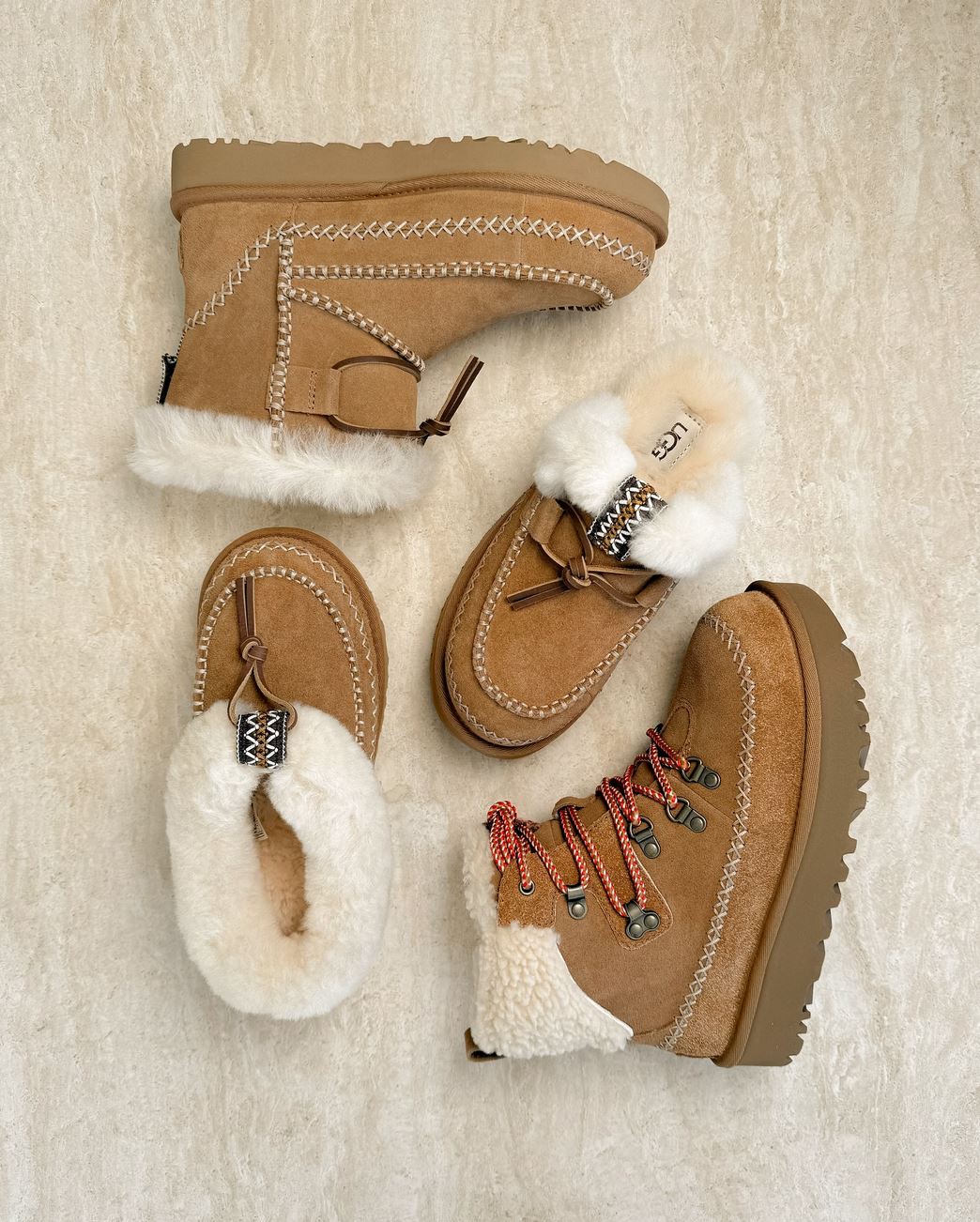
These are more for comfort than rugged use — perfect for strolls around Jindabyne or grabbing a parma after the slopes. Think UGGs, but actually weatherproof.
Best for: Driving to the snow, wandering around towns, and indoor/outdoor transitions in wintry conditions.
Look for:
- Waterproof leather or treated suede
- Insulated lining (fleece or sheepskin)
- Good grip — no smooth soles
4. Winter Trail Runners (Active Adventurers)
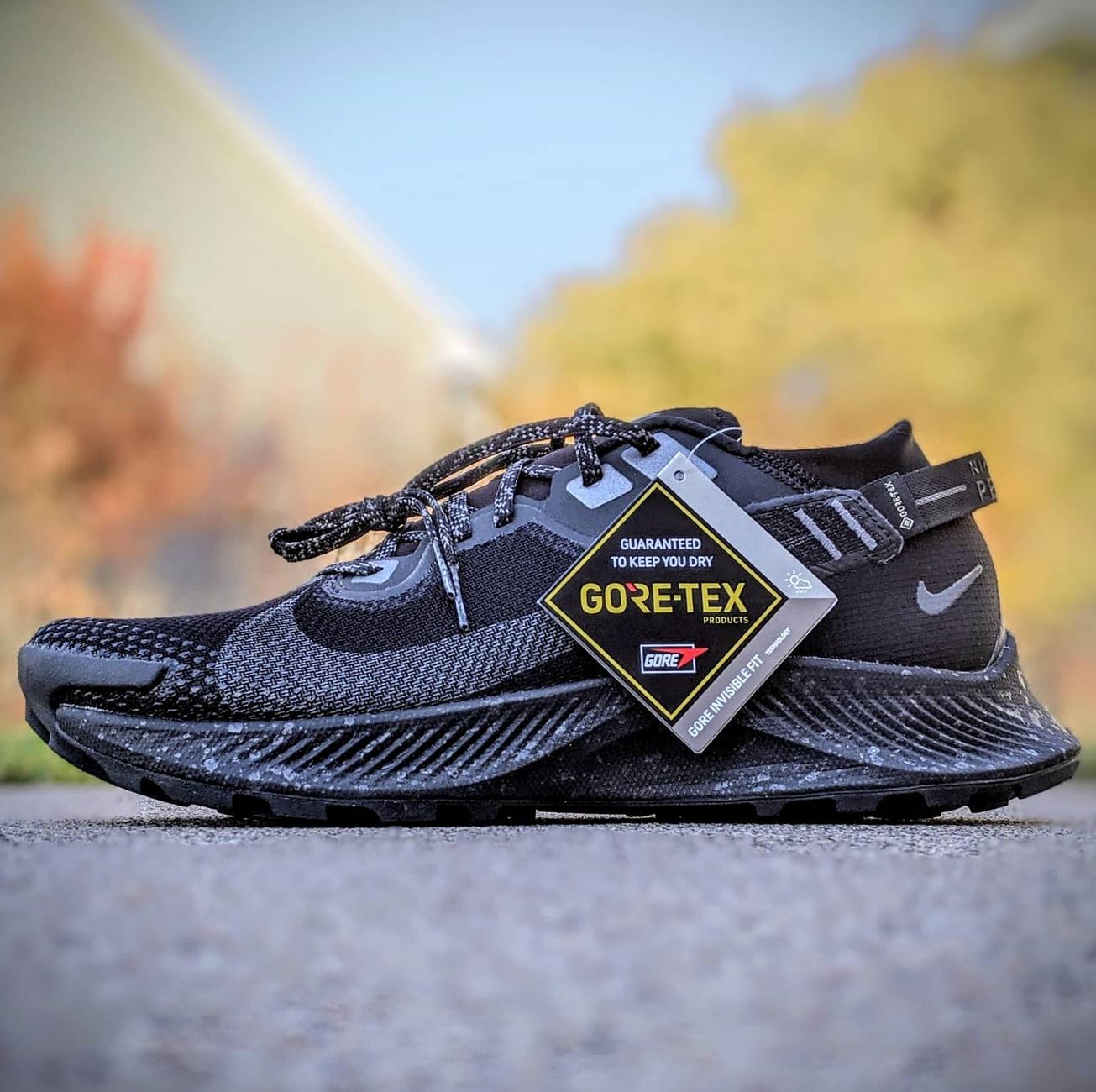
Lightweight and nimble, some trail runners are now winter-ready with waterproof uppers and aggressive tread. Great if you’re into running or fast-paced hiking.
Best for: Snow-free trails near the alpine, winter fitness hikes, uneven terrain.
Look for:
- GORE-TEX versions
- Deep tread for slick and icy surfaces
- Snug fit that keeps feet comfortable
- Breathable yet warm lining
What NOT to Wear in the Snow
I’ve seen it all, so take it from someone who’s had to lend socks to strangers:
- Canvas sneakers: Wet in 5 minutes, frozen toes in 10.
- Slip-ons or thongs: Not even joking — don’t.
- Leather fashion boots: They look good in photos, but get ruined fast.
- Gumboots: Okay in a pinch, but no warmth or traction for snowy terrains.
Real Aussie Snow Conditions
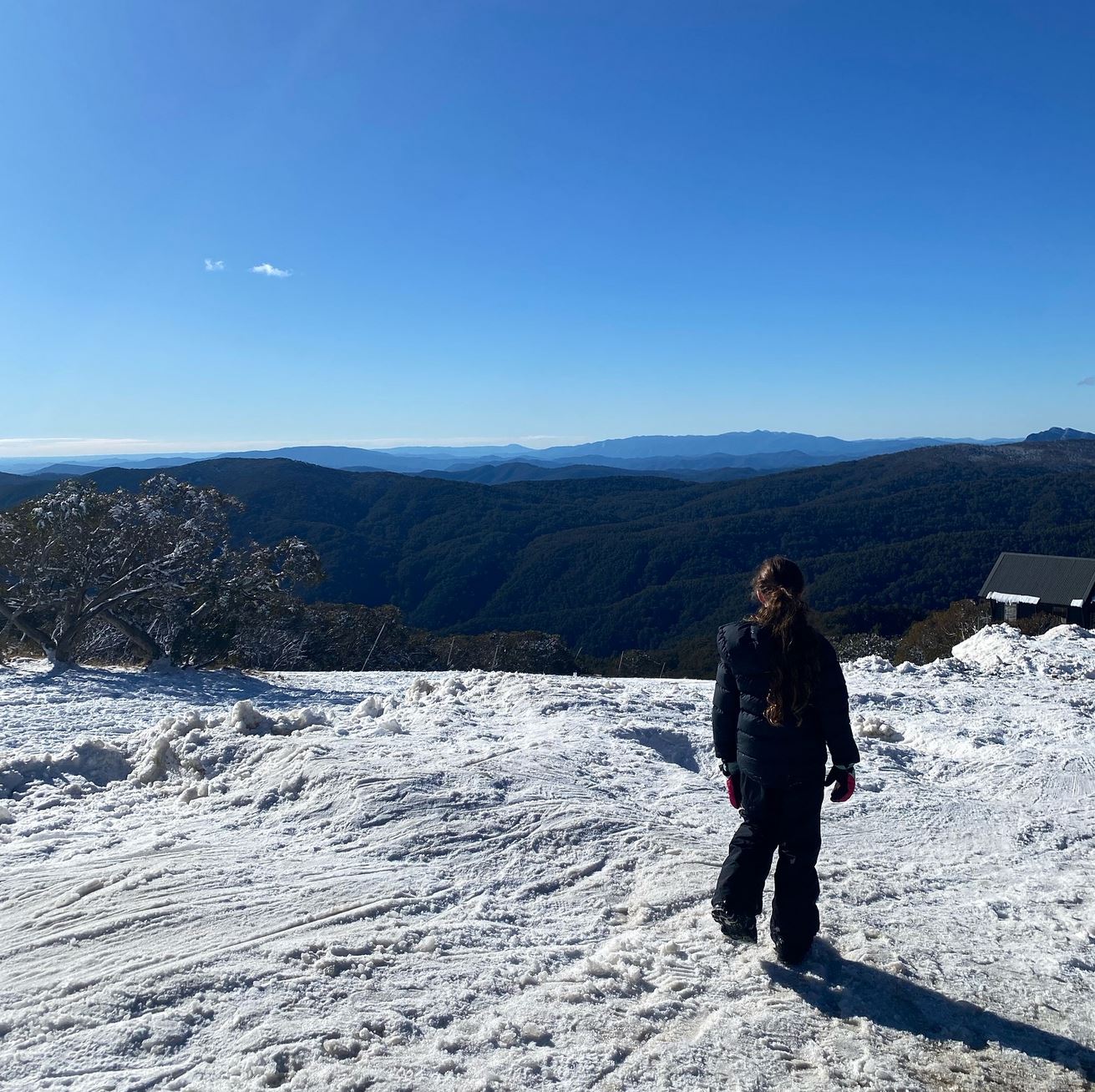
Our snow isn’t like Canada’s powdery fairytale stuff — it can be wet, slushy, icy, and patchy. Especially later in the season or after rain. Here’s what your shoes need to handle:
- Slush: Midday snow often melts into icy puddles. Waterproofing is non-negotiable.
- Ice: Morning walks can be slippery as heck. You want deep tread or microspikes for extra grip.
- Mud: Around car parks and picnic areas — it gets boggy. Keep your gaiters handy.
- Cold: Even if it’s only -2°C, wet feet feel like -20°C. Maintaining body temperature starts with dry, warm feet.
Wayoutback Tours even runs winter photography trips through some of these chilly regions — and trust me, you’ll want the right boots when you’re standing still in the snow waiting for a shot. If you’re joining a mount Buller tour with them, check your gear list closely — proper footwear is key for comfort.
Tips for Choosing the Right Snow Shoes
1. Know your terrain: Are you sticking to the resort village, or heading bush through technical terrain?
2. Prioritise waterproofing: This is a crucial component. No matter how good the insulation is, wet feet = cold feet.
3. Test with thick socks: Wear your snow socks when trying boots on. Fit changes with bulk, especially in cold weather.
4. Break them in: Don’t rock up with brand-new boots. I learned this the hard way at Falls Creek. Blisters by day two.
5. Traction matters: Look for Vibram or deep-lug soles. You’ll thank yourself on those icy inclines and rugged terrains.
Snow Footwear Must-Haves
- 1x Pair of waterproof boots (hiking or snow-specific)
- 1x Pair of après shoes or comfy dry shoes for indoors
- 2–3x Pairs of thick merino or wool-blend socks
- Optional: Microspikes or Yaktrax if doing icy trails
- Optional: Gaiters for slushy or muddy walks
- Foot warmers for the cold-blooded amongst us
Final Word
Snowy trips can be magic — but not if you’re cold, wet, and blistered from dodgy shoes. Trust me, a bit of prep and the right pair of boots can mean the difference between a cracking day in the snow and a miserable trudge back to the car. Whether you’re exploring the Snowies, doing a ski tour Melbourne with Autopia Tours, or just teaching the kids how to toboggan, gear up smart for alpine conditions.
We even partner with Wildlife Tours sometimes for combo trips that include snow days and surrounding forest hikes — and nothing spoils a trek like frozen toes.
Got a go-to brand or snow shoe hack I missed? Drop it in the comments — I’m always updating my winter kit list!
Classic UGGS soak up moisture like a sponge, especially on snowy trails.
FAQ
Can I wear sneakers in the snow if they’re waterproof?
Technically, yes — but only if it’s light snow and you’re not straying far from shelter. They won’t keep you warm for long or handle deeper snow.
Do I need snow boots for Mount Buller?
If you’re staying at the resort and plan to play in the snow or wander in deep powder, proper snow boots or waterproof hiking boots are a must.
Are UGG boots okay for snow?
Only if they’re waterproof, classic UGGS soak up moisture like a sponge, especially on snowy trails.
What if I only have hiking boots?
That’ll do fine for most Aussie conditions, especially if they’re waterproof and worn with warm socks to keep feet comfortable.
Where can I rent snow boots in Australia?
Most snow towns (like Jindabyne, Mansfield, Bright) have hire shops for boots, jackets, and other gear. Book ahead on busy weekends in winter conditions.